From brain to machine
A brain you can turn in your hands
Six regions, real anatomy, zero scan required. Spin it, tap a region, then step into the full explorer for every structure, its function, and the sensors that can read it.
Latest Neurotech
Explore devices →Bimanual Motor-Imagery Brain-Computer Interface Boosts Robotic Rehab Task Success to 90%
Researchers have introduced a motor-imagery-based brain-computer interface (BCI) system that decodes intent for both hands together, rather than the conventional single-limb approach, paired with a shared-control strategy between brain signals and robotic intelligence. Trials showed that adding graduated levels of robotic assistance raised the success rate of a bimanual reaching task from 48.33% with no assistance to 90% at the highest assistance level.
Trending topics
Neuralink
Neural decoding
Non-invasive BCI
Synchron
EMOTIV
Research Radar
4 indexed papersStructured digests of high-impact neural engineering and BCI publications.
Decoding speech perception from non-invasive brain recordings
A. Défossez, C. Caucheteux, J. Rapin, O. Kabeli, J.R. King
Decoding perceived speech from non-invasive brain recordings (EEG/MEG) has remained limited in accuracy because of low signal-to-noise ratio and high inter-subject variability.
A contrastive-learning model was trained to align self-supervised speech representations with MEG and EEG recordings from 175 healthy volunteers listening to stories and isolated sentences, combining four public datasets.
The model reached up to 70.7% top-10 segment-identification accuracy with MEG (41.3% top-1), versus only 17.7–25.7% with EEG, with the best individual participants exceeding 80% top-1 accuracy.
Shows that deep language models can extract rich linguistic structure from non-invasive recordings without any surgical electrode implantation.
EEG performance remains far below MEG, MEG hardware is large and non-portable, and the model needs long per-participant recording sessions.
Watch
Explore devices →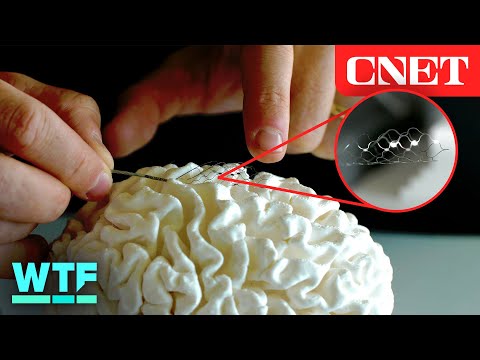

Learn BCI
Explore devices →Try a simulation
Watch a synthetic multi-channel EEG signal with alpha/beta rhythms, 1/f noise and eye blinks.
Device guide
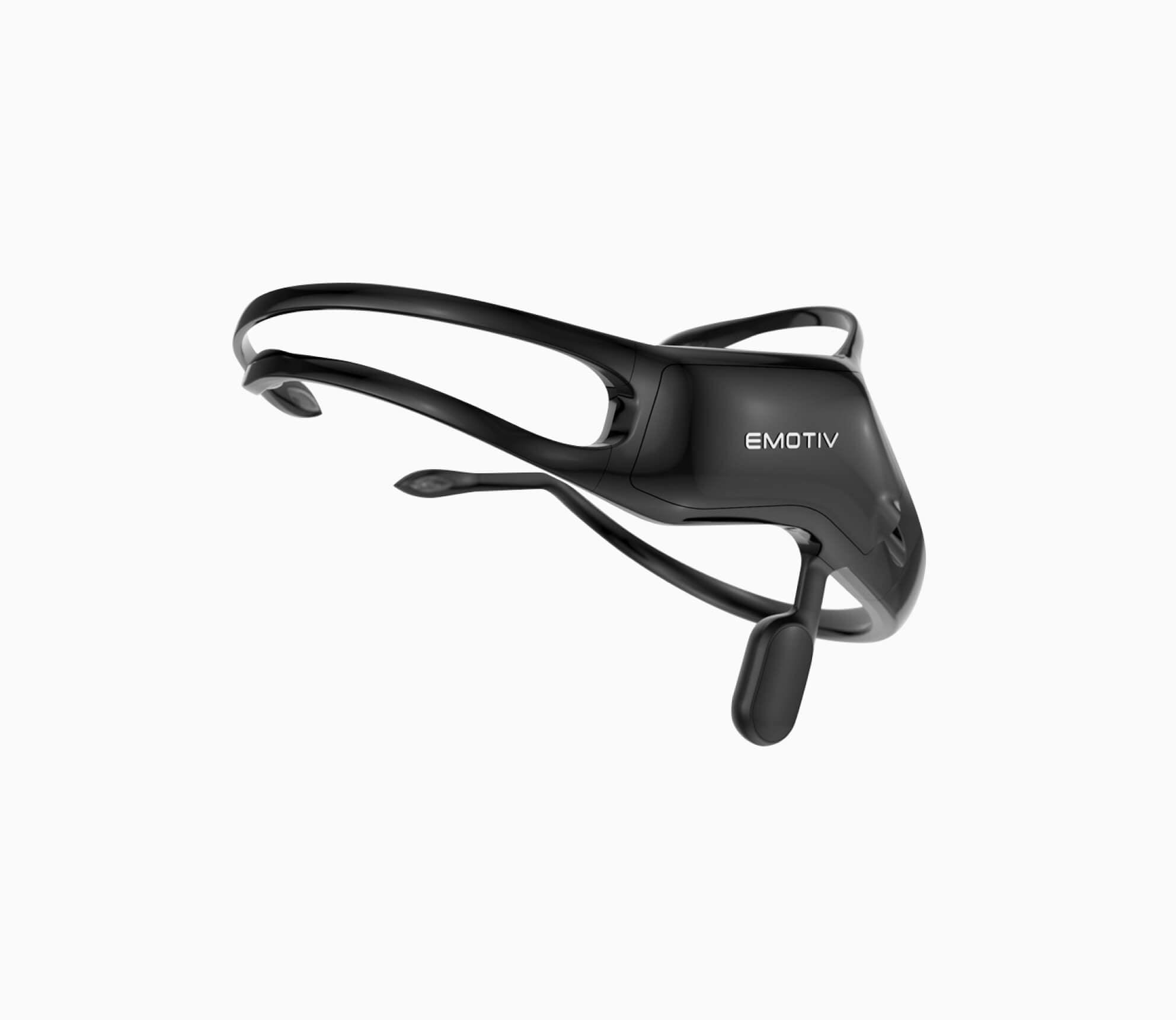
EMOTIV Insight 2.0
EMOTIV
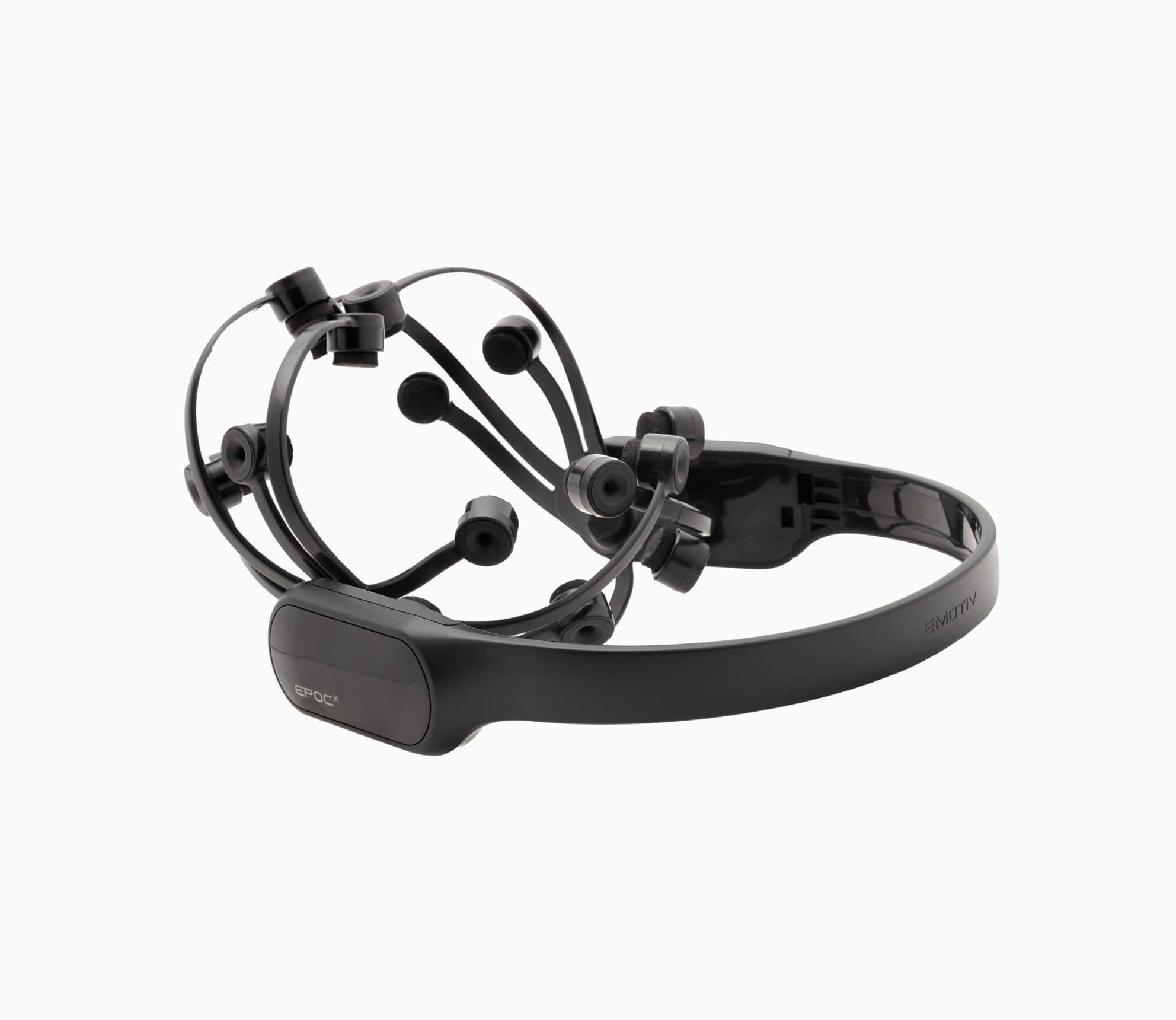
EMOTIV EPOC X
EMOTIV

OpenBCI Cyton
OpenBCI

OpenBCI Ganglion
OpenBCI

InteraXon Muse 2
InteraXon
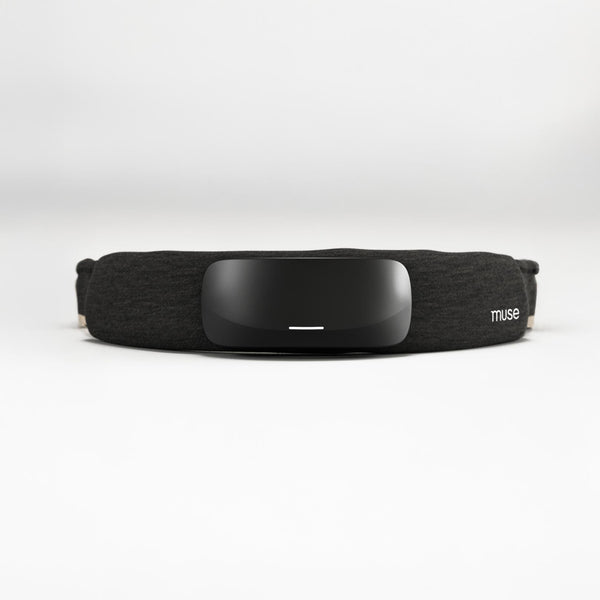
Muse S Athena (Gen 3)
InteraXon
Stay at the Signal Frontier
A concise weekly neurotechnology briefing without the hype.